Electroshock Therapy for Depression, does it work?
Victoria Rivera
PSY 240-40 Spring 2025
CSU Dominguez Hills
Professor Vieira
Victoria Rivera
PSY 240-40 Spring 2025
CSU Dominguez Hills
Professor Vieira

Electroconvulsive therapy (ECT) is a important topic when it comes to modern
psychology due to its ability to reflect how one's treatment of mental health has evolved through scientific research and while advancing medically. Unlike approaches earlier in which were less controlled , ECT represents a more refined, biologically based method of a way to treat a individual with severe depression. Matter of fact it is widely recognized as “one of the most effective treatments for severe depression” (Jelovac & McLoughlin, 2026), shedding light to its importance in worlds such as psychology and neuroscience. An individual diagnosed with depression can also be recognized as someone with a biological disorder, as you can find in modern textbooks explaining how “depression is a mood (affective) disorder” (Shapiro, 2024, Ch. 15), reinforcing how treatments such as ECT can target underlying brain function rather than just emotional symptoms.

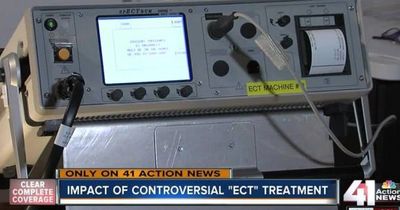
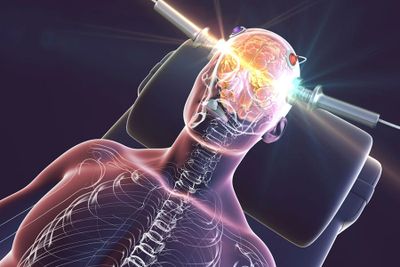
ECT or Electroconvulsive Therapy is a procedure where a small electrical current passes through your brain in order to trigger a intentional seizure. Although this can sound concerning, these kinds of procedures tend to be done carefully regulated and performed in a safe medical setting. Allowing it to help reset activity of the brain all while reducing severe depressive symptoms.
Research shows that “ECT is highly effective… especially for patients with treatment resistance” (Deng et al., 2024), which is why it is often considered in being used in critical cases where as rapid improvement is necessary.This process reflects on how brain activity can be directly altered in which it helps connect to neuroscience concepts which help explain how electrical activity influences neuron communication and signaling (Shapiro, 2024, Ch. 3).